Ukraine launches largest drone attack on Moscow since start of Russia's full-scale invasion, hits oil refinery
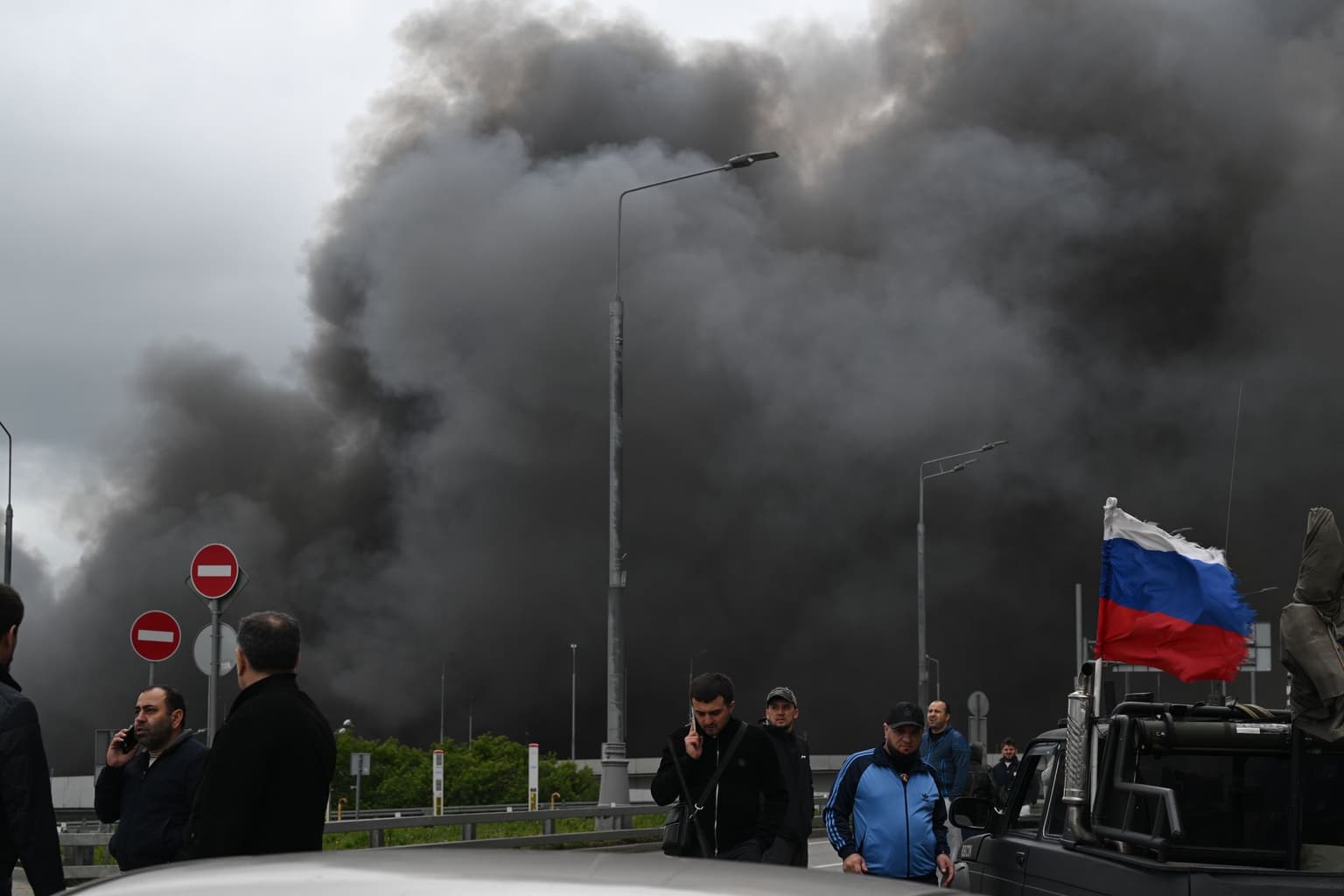
Black smoke billows from the area of the Gazprom Neft oil refinery on the southeastern outskirts of Moscow, Russia, on June 18, 2026, following a large-scale drone attack by Ukraine. (Sefa Karacan / Anadolu via Getty Images)
 on Google
What we know:
- At least 194 Ukrainian drones were intercepted on approach to Moscow, marking the largest attack on the Russian capital since the start of the full-scale war, according to Russian authorities.
- At least five fires were reported at the Moscow Oil Refinery, which was struck for the second time in a week.
- Seventeen people, including two children, were injured in the attack on Moscow, according to Russian authorities.
- Special Operations forces struck a major fuel depot near Ukrainian border in Russia's Rostov Oblast.
- Russian Foreign Minister Lavrov repeated threats of mass attacks against Ukraine in response.
- Ukraine's General Staff later confirmed damage to the Moscow Oil Refinery and said the facility halted operations. Read the latest developments here.
Ukrainian forces struck the Moscow Oil Refinery in the Russian capital's Kapotnya district overnight on June 18, marking the second attack on the facility in a week, President Volodymyr Zelensky confirmed on X.
Moscow Mayor Sergei Sobyanin said around 8 a.m. local time that approximately 180 Ukrainian drones had been shot down on the outskirts of the capital. With the attack still ongoing at the time of his statement, Russian air defenses intercepted another 14 drones over the following hour, bringing the total to 194 — the largest reported Ukrainian attack on Moscow to date.
Russian air defenses also downed 555 drones nationwide overnight, according to the Russian Defense Ministry. Ukraine does not typically disclose the number of drones used in strikes on Russia.

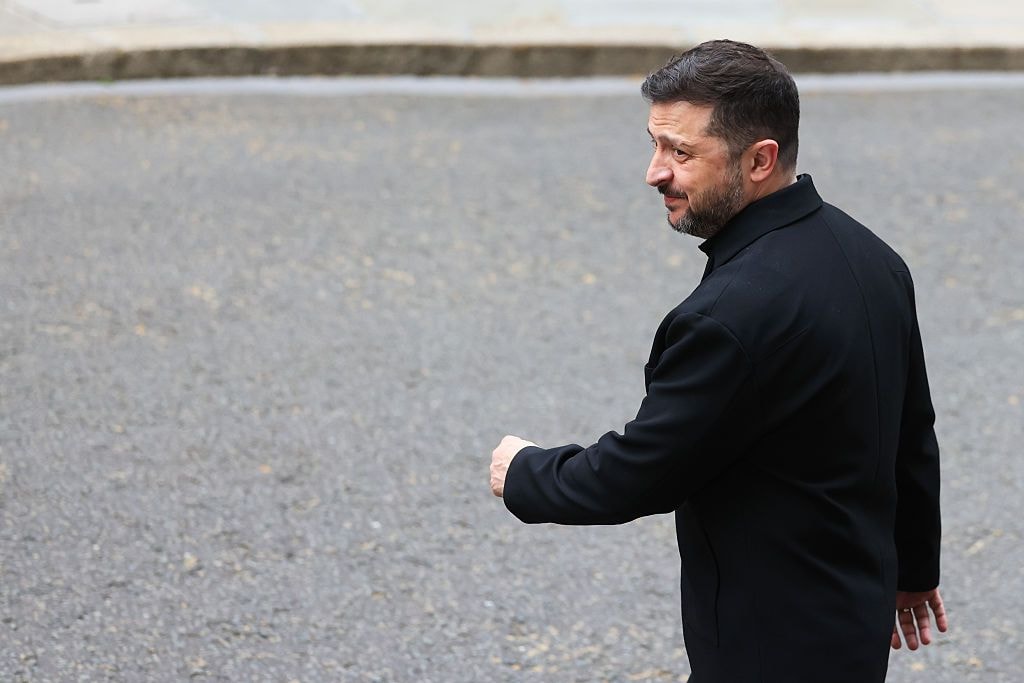
"This is an entirely justified response to Russian strikes on our cities and communities and another important result of our warriors' work against facilities that support Russia's war machine," Zelensky said, adding that "it is time to end this war."
At least 17 people, including two children, were injured in Moscow Oblast in the attack, Russian authorities claimed.
The attack caused major disruptions to air travel, with state-owned airline Aeroflot and its subsidiary Rossiya canceling more than 170 flights to and from Moscow and delaying over 110 others, according to company statements.
Ukraine's General Staff confirmed the strike on the Moscow Oil Refinery, adding that at least five fires were recorded at the facility.
Preliminary data indicated that a combined oil processing unit, secondary refining units and a storage tank farm were burning, the General Staff said.
Industry sources told Reuters that the attack damaged the Euro+ combined oil refining unit, as well as secondary units, at the refinery.
Speaking to journalists on June 18, Zelensky warned that Ukraine would continue to respond if Russian President Vladimir Putin refuses to end the war.
"Russians also need to wake up and put pressure on their leader."

"If Putin does not want to end this war, we will not sit quietly. We will respond, and the response must be strong. If Ukraine burns, so will Moscow," he said, describing the recent strike as a response to Russia's attack on the Kyiv Pechersk Lavra on June 15.
The president also called for increased pressure on Russia, arguing that sanctions should target the country's energy sector, shadow fleet, oil and gas revenues, banking system, weapons production, and defense industry.
"We have to make Russia feel that there is no point in continuing this war. Most importantly, the Russian people should begin to feel that one man, Putin, is waging this war, while ordinary people are paying the price," Zelensky said.
Zelensky added that pressure on the Kremlin should come from "all sides."

"Ukrainians, Europeans and Americans must all put pressure on Putin. Russians also need to wake up and put pressure on their leader," the president said.
Reacting to the strike on Moscow, Ukrainian Foreign Minister Andrii Sybiha said on X that Russians asking "What is going on?" should direct the question to Putin.
"I can answer. Your country started a war of aggression against ours. For years, it has been killing our people. Now that you know what's going on, ask Putin when he is planning to end it," Sybiha wrote.
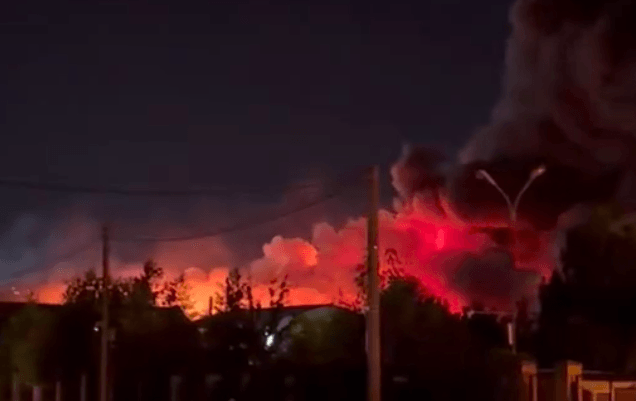
Photos and videos posted by residents to social media depicted fires and explosions in multiple locations across the city, including the refinery in the Kapotnya district. The Telegram monitoring channel Exilenova-Plus published footage from local residents showing fires at the oil refinery, the top floors of a high-rise building in flames, and smoke billowing across the capital.
Sobyanin reported "minor damage" to a building at the Sadovod shopping center in the southeastern part of the city, while Moscow Oblast Governor Andrey Vorobyov said residential buildings in the Moscow suburbs were also damaged.
In the Zhukovsky district, a multi-story apartment building was damaged and residents evacuated, according to Vorobyov. Drone debris also damaged a fitness center, a shopping center and an industrial site in Lyubertsy, while fires and damage were reported on houses in Chekhov and Pavlovsky Posad.
The Kyiv Independent could not verify these reports at the time of publication.
The strike comes two days after Ukraine hit the Moscow Oil Refinery with long-range drones on June 16, in an operation President Volodymyr Zelensky called "a just response to Russian strikes."
The refinery is one of the largest in Russia, supplying about 40% of the Moscow fuel market and the majority of the region's gasoline. It also provides aviation fuel to all four of Moscow's major airports and has a processing capacity of more than 12 million tons of crude oil per year, according to Ukraine's General Staff.

The June 16 strike reportedly shut down operations at the Moscow Oil Refinery, according to Russian industry sources cited by Reuters. A previous Ukrainian attack on May 17 also halted production at the facility.
Reacting to the attack, Russian foreign minister Sergey Lavrov promised fresh attacks on "targets upon which the combat effectiveness of the Ukrainian armed forces directly depends."
The threat does not represent any change in Moscow's policy of regular, often indiscriminate attacks on Ukrainian cities, including numerous mass missile and drone barrages against Kyiv over recent month.
"I believe that all the right words were said, but I have long been convinced that words are not enough," Lavrov told journalists on the sidelines of the Russia-ASEAN
A separate Ukrainian drone attack on Russian oil facilities was reported in Rostov Oblast, in the town of Gukovo.
Residents reported a massive fire in the area following a Ukrainian drone strike, according to images and footage circulated on social media. Astra reported that an oil depot in Gukovo was hit, according to an analysis of open-source data.
Later in the day, Ukraine's Special Operations Forces confirmed the strike on the Rostovnefteprodukt oil facility, adding that it was carried out in cooperation with a resistance movement on Russian territory known as Red Spark.
Rostov Oblast Governor Yury Slyusar claimed the drone strike killed one person and injured two others, who were hospitalized.
Slyusar also reported damage to a locomotive and fires at "two commercial facilities." He did not mention on oil depot or specify which facilities came under attack.
Gukovo lies near the Ukrainian border, only a few kilometers from occupied Luhansk Oblast.
Located near the Azov Sea and bordering Ukraine, Rostov Oblast plays a crucial logistical role for Russia's war effort due to its proximity to front-line operations. Oil depots, refineries, and other infrastructure in the region have repeatedly been targeted by Ukrainian strikes.
Ukraine has intensified its long-range strike campaign against military, industrial, and energy targets inside Russia in recent months, with drones repeatedly reaching Moscow and other regions hundreds of kilometers from the Ukrainian border.
In response, Russia has bolstered air defenses in the capital, deploying new Pantsir-SMD-E air defense systems on the rooftops of civilian buildings in Moscow.
These measures have not stopped Ukrainian drones from striking the city twice in the past week.