Trump allows Russia to supply millions of tons of diesel to US, global markets
 on Google
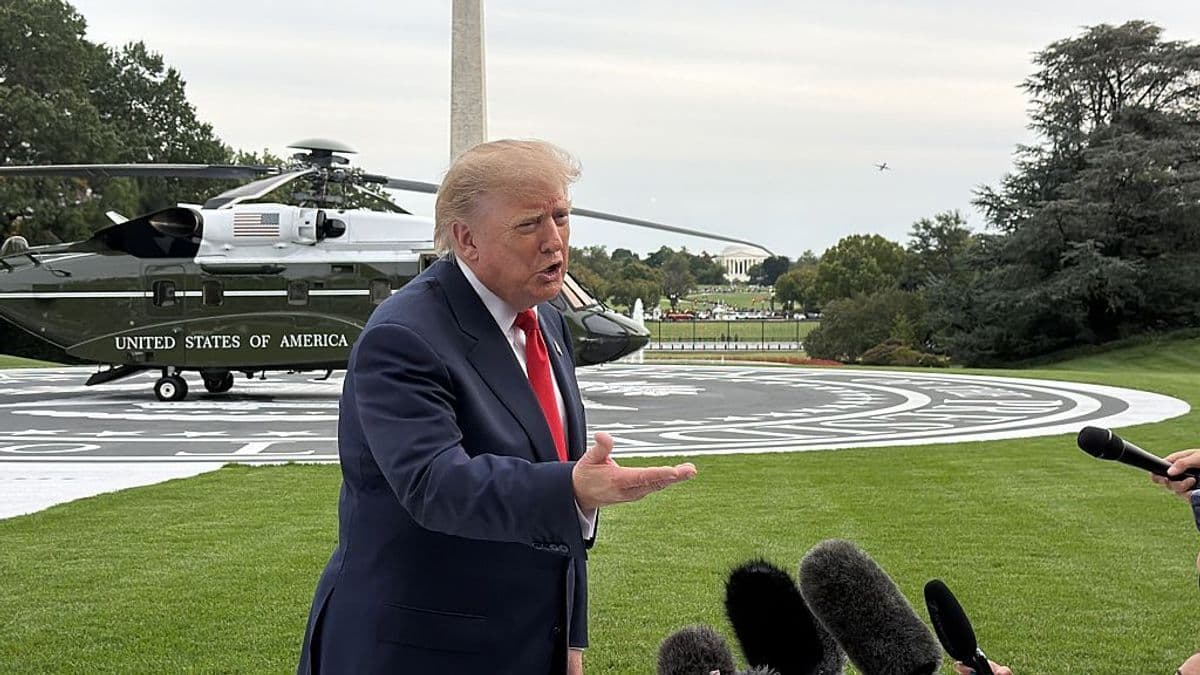
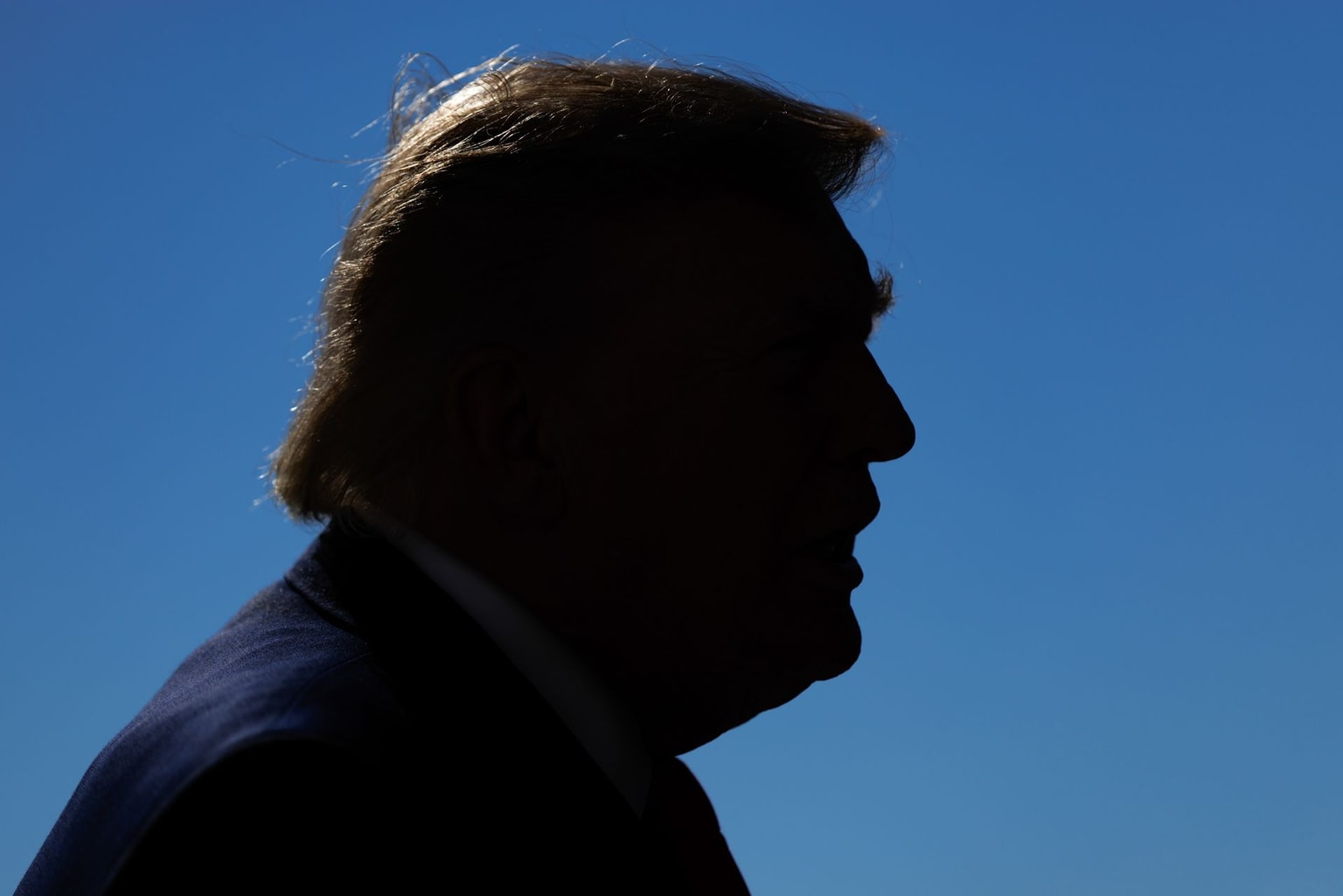
U.S. President Donald Trump said on Oct. 9 that Russia had agreed to supply millions of tons of diesel fuel to the U.S. and global markets following a call with Russian President Vladimir Putin.
"Russia will immediately supply over 300,000 Tons of Diesel Fuel to the American and Global Marketplace, another 500,000 Tons during the month of November, and 1,000,000 Tons immediately thereafter," Trump wrote on Truth Social.
"Between our TOTAL CONTROL of the Strait of Hormuz, and this great announcement on Russian Energy, Diesel Prices for Americans and, indeed, the World, will be COMING DOWN, IN RECORD NUMBERS, AND FAST!" he added.
The U.S. Treasury Department said that, following Trump’s direction, "the Office of Foreign Assets Control (OFAC) is immediately issuing a temporary general license to allow the supply of Russian diesel to the global market."
"We need oil for the world, and this is diesel, which is what we need, so we are happy to get it," Trump told reporters.
"I want to thank President Putin, to be honest with you," he added, but nonetheless called Washington Ukraine's "strong partner."
Democratic Senators Jeanne Shaheen, Chuck Schumer, and Elizabeth Warren condemned the six-month authorization for global purchases of Russian diesel, calling it "a total betrayal of Ukraine, our European allies and American national security."
In a joint statement, they accused Trump of funding Russia’s war effort to offset fuel price increases caused by the U.S. war with Iran. They also said the decision undermined bipartisan legislation passed weeks earlier to curb Russian energy revenues.
"Putin only responds to strength, which means cracking down on Russia and the enablers of its war against Ukraine," they said.
President Volodymyr Zelensky also criticized the decision, saying it would provide Russia with additional revenue to finance its war against Ukraine.
Got an opinion on anything you've read in the Kyiv Independent so far?
and it may appear in our Letters section.

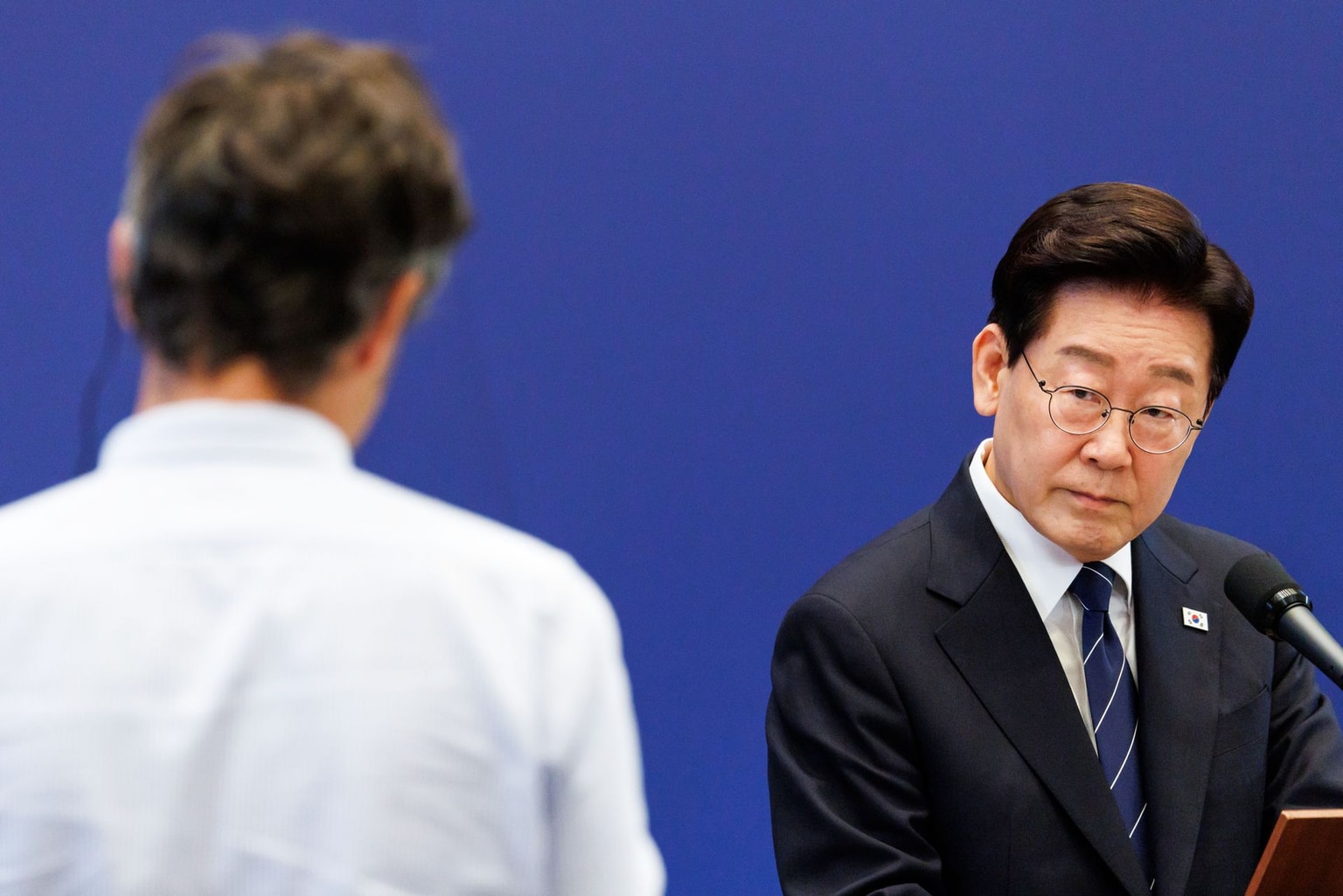
"This only fuels Putin and enables him to wage more war," Zelensky said. "And at the very moment when we are talking about peace, America is allowing Russia to export diesel."
Zelensky said Ukraine’s negotiating team is currently in Florida for two days of talks with U.S. officials on ending the war, or at least securing a ceasefire that could begin with a halt to attacks on energy infrastructure.
"I believe our team is simply being used as a smokescreen. This is certainly not honest, and it is certainly not how partners should act," he told reporters, calling the move "a weak decision by our strong partners."
Zelensky added that Ukraine was ready to reciprocate any Russian steps toward de-escalation, a position already known to U.S. negotiators. He said Ukraine would halt strikes on Russian refineries and other oil facilities if Moscow stopped attacking Ukrainian energy infrastructure, describing Ukraine’s strikes as a response to years of Russian attacks on its power system. Kyiv has proposed such an agreement to Washington, he added, and believes the U.S. has enough influence to secure it.
A European diplomat questioned whether the deal would lower diesel prices, telling the Kyiv Independent: "This is very unlikely to have a real impact on prices but the symbolism will have a real impact."
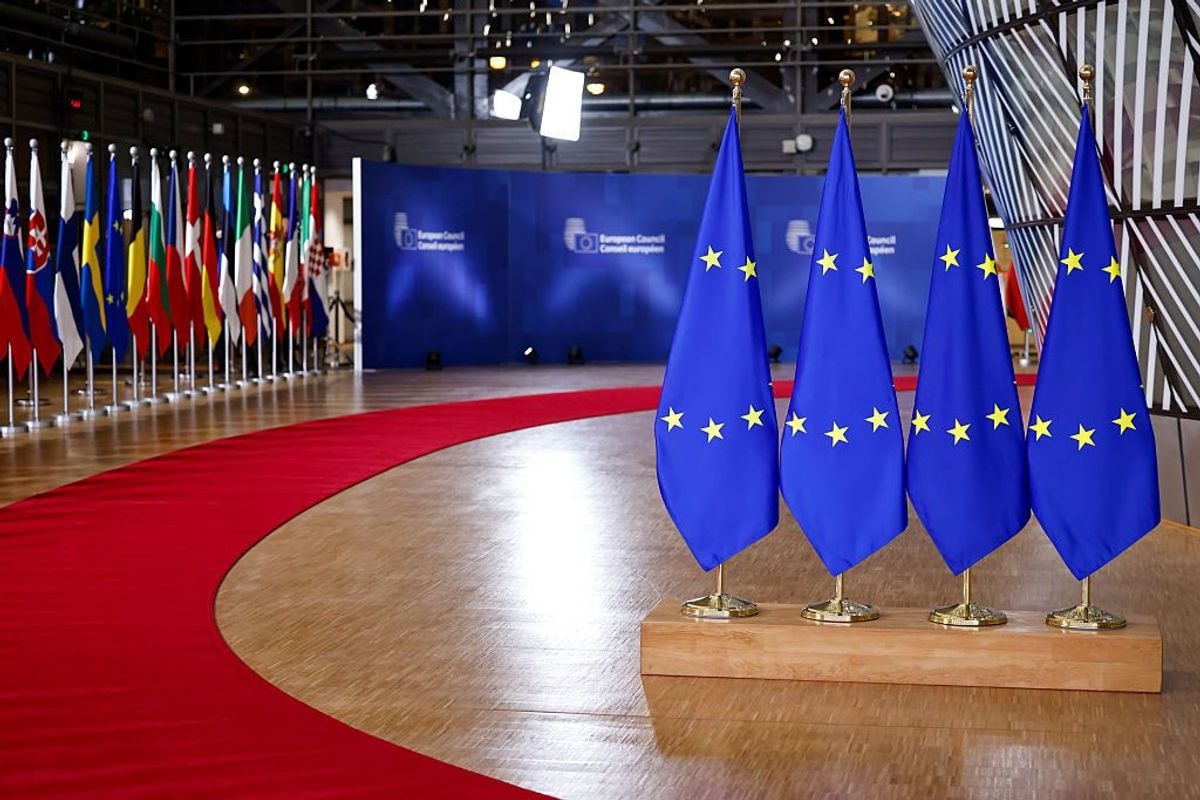
European Commission chief spokesperson Paula Pinho told the Kyiv Independent that "the EU is reducing its dependence on Russian fossil fuels and will resolutely continue to do so."
"Europe knows too well the hidden costs linked to over reliance on Russian hydrocarbons — and Europe does not wish to fuel Russia’s war against Ukraine," Pinho said.
Kaja Kallas, the EU's top diplomat, also responded to the deal by saying "EU Foreign Ministers intend to approve the biggest set of sanctions listings targeting Russia’s war machine since the start of the war," she wrote on X.
"This is not the time to ease pressure on Russia, and Europe won’t," she added.
Ukrainian sanctions official Vladyslav Vlasiuk called the deal "economically pointless" in his social media post.
"The U.S. consumes 3.5 million tons of diesel weekly and produces 4.9 million. Russia’s proposed 300,000 tons cover just 15 hours of U.S. demand, or 1.5 days of U.S. diesel exports. Economically pointless," Vlasiuk wrote.
The Kremlin said Russia had confirmed its willingness to supply oil and petroleum products to U.S. and global markets during the call.
The move comes as Russia is seeking relief from U.S. sanctions in talks over a potential halt to attacks on energy infrastructure in its war with Ukraine, the Kyiv Independent reported on Oct. 9, citing American and Ukrainian officials with knowledge of the negotiations. Moscow also wants to link the proposed energy truce to ceasefire arrangements in the Black Sea.
Those talks follow intensified Russian strikes on Ukraine’s energy facilities. A senior Ukrainian defense official told reporters that Moscow aims to strengthen its negotiating position by causing as much damage as possible to the country’s power system.
Russia may also seek the release of frozen Russian assets, a European diplomat familiar with the discussions told the Kyiv Independent.
Russia’s government on Sept. 30 extended a ban on diesel exports by fuel producers through Oct. 31 amid problems in the domestic fuel market. Deputy Prime Minister Alexander Novak said on Oct. 2 that domestic diesel supplies were sufficient and that Moscow could partially reopen exports if production exceeded demand, according to state media.
Putin said on Oct. 1 that Russia had enough diesel but that sanctions prevented it from supplying global markets. Speaking at the Valdai Discussion Club, he dismissed as "absurd" a proposal to halt Russian strikes on Ukrainian ships in exchange for Ukraine stopping attacks on Russian oil refineries, arguing that sanctions would still prevent additional Russian diesel from reaching international buyers.