Deadly Russian missile strike on Kyiv used cluster warheads, hours after Putin-Witkoff meeting
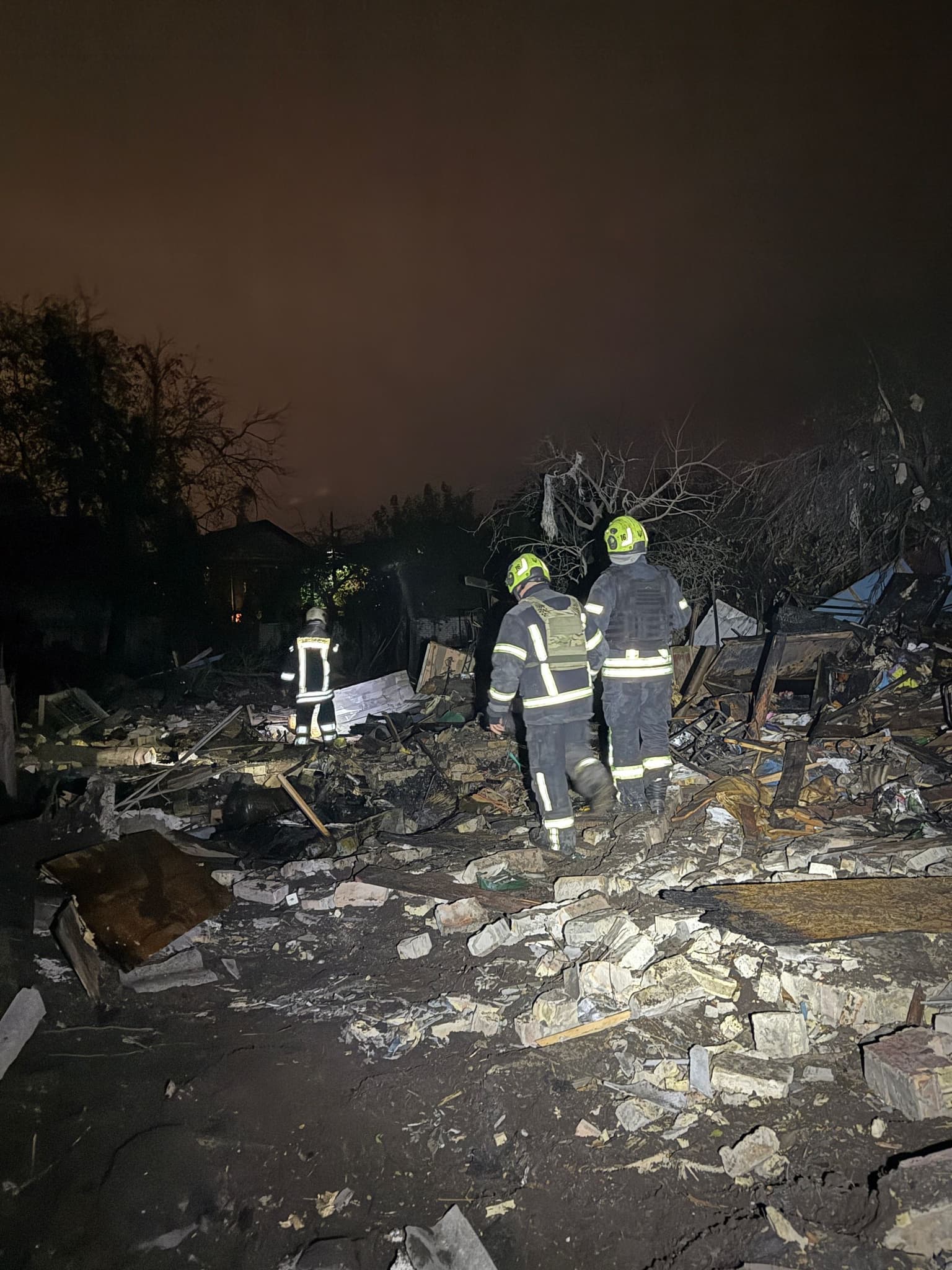
The scene after a Russian ballistic missile struck Kyiv, Ukraine, on Oct. 22, 2026. (Chris Occhicone / The Kyiv Independent)
 on Google
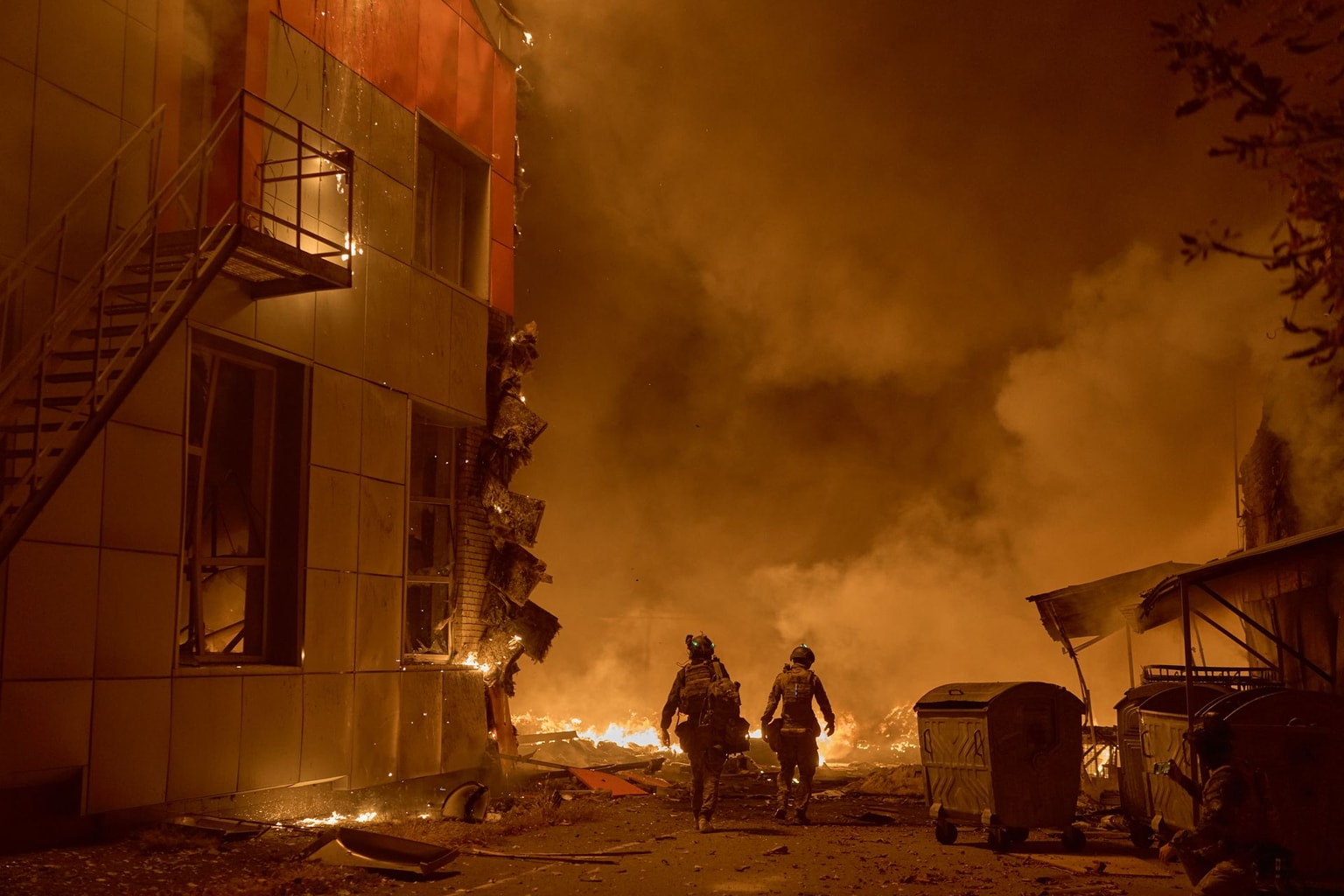
Russian ballistic missiles and cluster munitions struck transport and medical infrastructure in Kyiv in several waves overnight on Oct. 22, killing at least one person and injuring 24 others, according to Ukrainian officials, only hours after U.S. special envoy Steve Witkoff visited Russian President Vladimir Putin in St. Petersburg.
The Kyiv City Prosecutor's Office reported these numbers in the morning, saying Russia had struck across Holosiivskyi, Obolonskyi, Pecherskyi, Svyatoshynskyi and Dnipro dsitricts in Ukraine's capital.
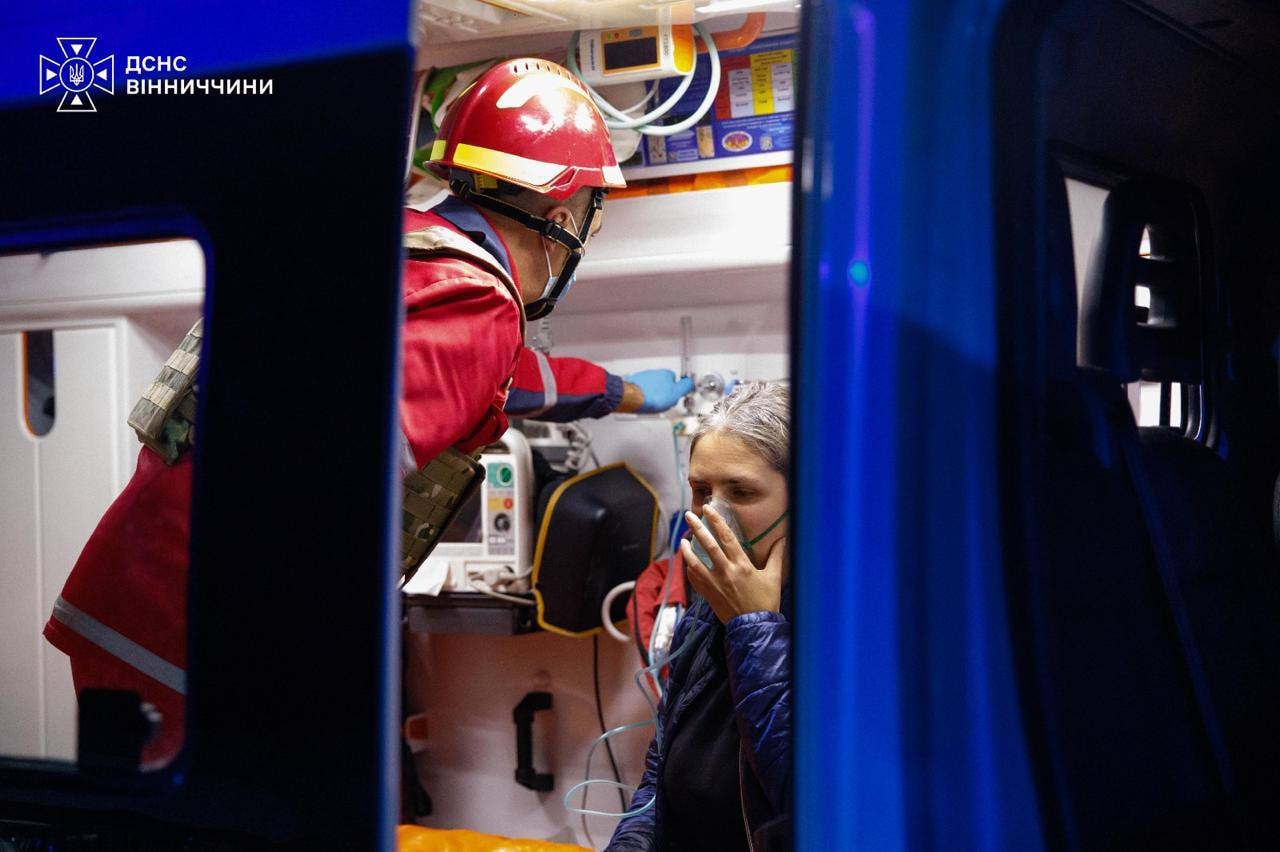
Among the injured are four children, one of whom has been hospitalized, Ukraine's State Emergency Service said.
"Last night, the Russians used, among others, three ballistic missiles with cluster warheads against Kyiv. The peculiarity of these missiles is that they explode in the air, hitting the target, and hit everything around within a diameter of 400 meters," President Volodymyr Zelensky said.
"Three waves of ballistic strikes were launched by Russian 'humanists' on Kyiv since the evening," Zelensky commented on the attack earlier.
During a meeting with Putin in St. Petersburg, Witkoff lauded Putin — wanted by the International Criminal Court for war crimes in Ukraine — as a "humanitarian."
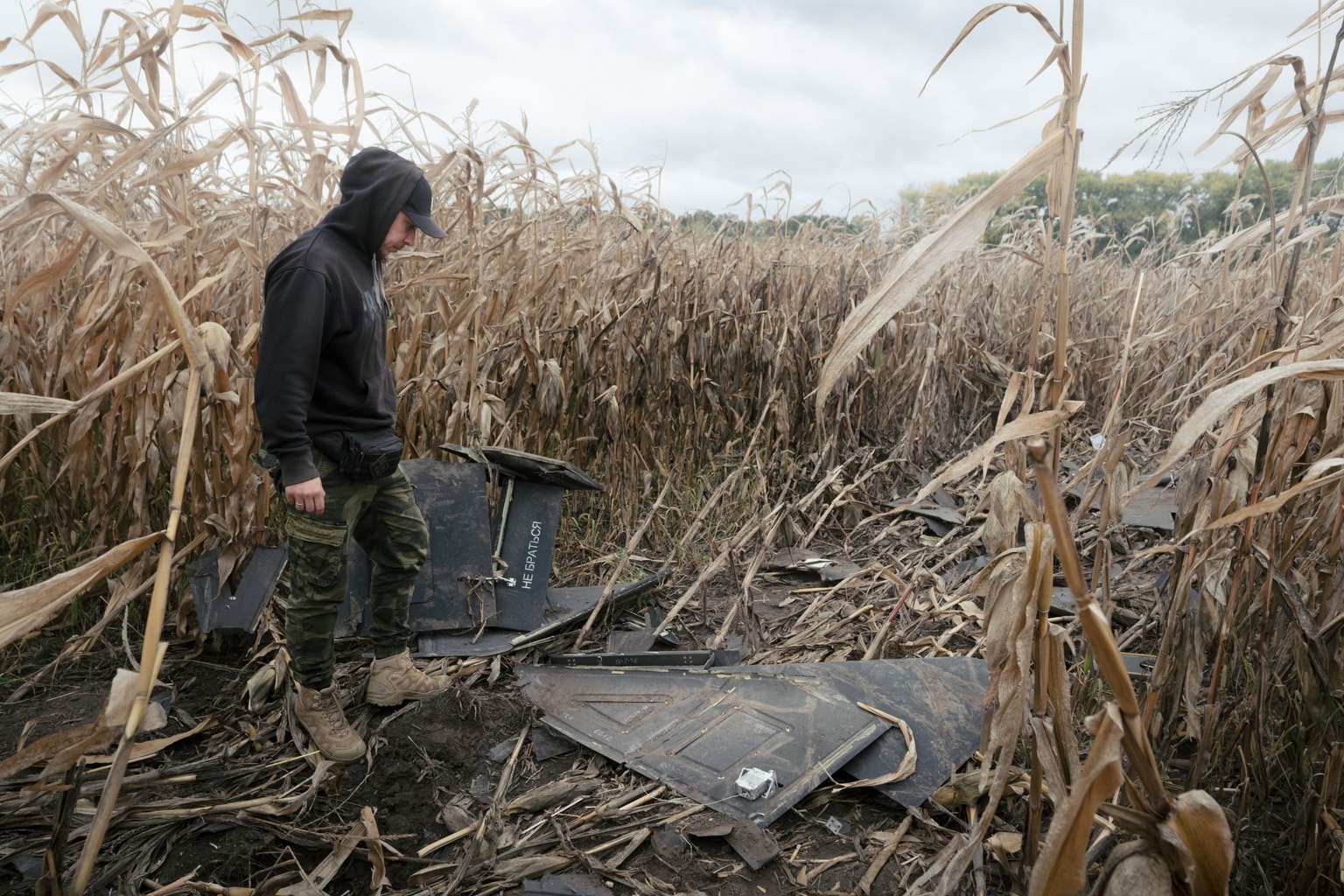
Russian forces launched a mass combined attack overnight with Iskander-M, S-400, Zircon, and Onyx missiles, as well as 210 drones of various types, including 110 jet-powered drones, the Air Force reported. Zelensky said Russia fired 21 missiles. Ukrainian air defenses shot down 181 drones, including 87 jet-powered ones, according to the Air Force. Strikes were recorded at 32 locations, while debris from intercepted targets fell at eight others.
Presidential adviser Serhii "Flash" Beskrestnov said that the Iskander missiles carried a K5 cluster munitions warhead.
"This warhead explodes above the ground and is specifically designed to cause maximum damage to people and equipment in an area of 400 by 400 meters," Beskrestnov said.
"This strike was not carried out with a military purpose. The goal was to destroy part of the old city and injure as many people as possible," he added.
Zelensky said one of the missiles struck Pechersk, in Kyiv's historic center, in an area between the Kyiv-Pechersk Lavra and the Sviato-Vvedensky Monastery. Buildings belonging to the monastery, residential buildings, shops, cafes and other civilian infrastructure were damaged, he said.
"There was not even theoretically any military facility nearby," Zelensky said. "It was a deliberate choice of weapon, a deliberate choice of the area of use, a deliberate attempt to inflict as many casualties and as much damage on civilians as possible."
Zelensky reported two people were killed and 34 injured, including five children, in Kyiv and Kyiv Oblast as a result of the attacks.

A source in Ukraine's energy sector speaking on condition of anonymity told the Kyiv Independent that Russia targeted energy infrastructure in the capital, particularly substations.
Zelensky said Russia had carried out more than 170 strikes on important Ukrainian energy facilities since Oct. 11, despite Ukrainian forces intercepting many of the drones and some of the missiles used in the attacks.
The capital is particularly vulnerable as it is reliant on thermal and cogeneration plants that are exposed to enemy strikes, while substations that connect it to generation sources, including nuclear plants in western Ukraine, are protected against drones but not against ballistic missiles.
DTEK, Ukraine's largest private energy company, announced around midday that emergency power outages were in place on the Holosiivskyi District.
Kyiv Independent journalists on the ground first reported power and Wi-Fi outages in parts of the city after a wave of ballistic missile strikes at around 3:34 a.m.
In the Dniprovskyi District, a car service station and a house were damaged late on Oct. 21 after the two sites were struck, according to Kyiv Mayor Vitali Klitschko.
"In the same district, debris also hit another house," he said. "There may be people trapped under the rubble."
At around 2 a.m. local time on Oct. 22, Russian attacks on Kyiv continued, filling the sky with the sounds of explosions.
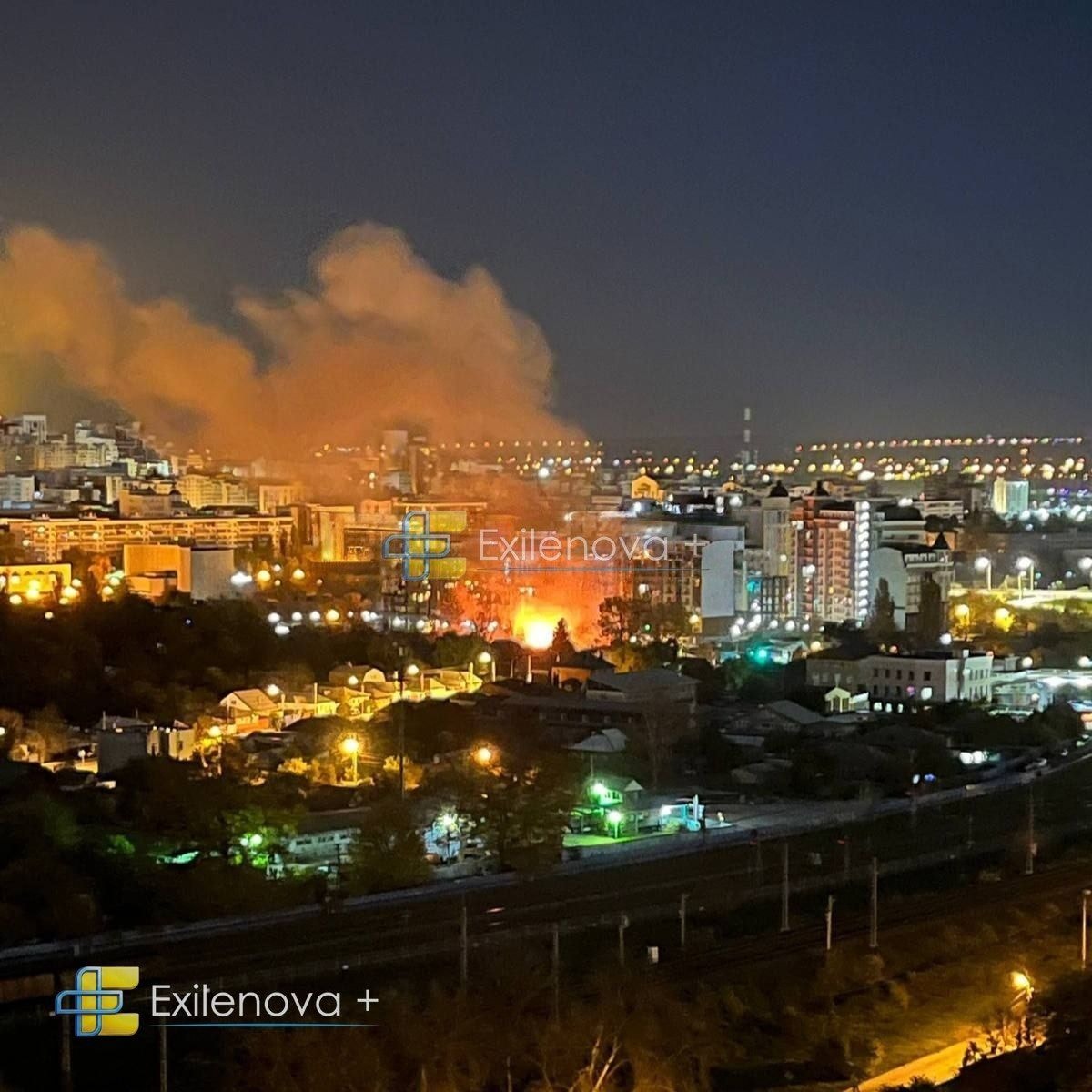
In the Darnitsky District, also on the left bank of the Dnipro River that cuts through the city of 3 million, missiles hit near a transportation infrastructure facility.
"I was at home, in my private house," said Vladyslav, a resident of Kyiv living near one of the strikes. "When the explosion happened, our windows were blown out. Then we saw a terrifying glow outside; we ran out and saw a house on fire, and heard people screaming.
"Fortunately, we managed to rescue a man and his wife who were inside the burning house. It's a stroke of luck that neighbors were nearby to help save these people."
Ballistic missiles again targeted Kyiv at around 3:00 a.m. local time, with at least 13 explosions rocking the city in less than eight minutes, the Kyiv Independent's Chris York said.
Following a series of explosions, the Kyiv City Military Administration said that a building housing a medical facility was damaged in the city's Pecherskyi District.
"All I see is broken windows on the floor, my neighbors are screaming, going out of their houses, and all they can do is just pray," Heorhii Rezhenko, a 26-year-old resident of Pecherskyi District, told the Kyiv Independent.
"In Europe, in the democratic world, everybody knows what happened here. The people know what happened, ... but they, for now, I think, can do nothing to stop it. Maybe all that I can say is please do something to stop it," Heorhii said.
"I am just very tired, because it was a very difficult day. But we will have more of these days."
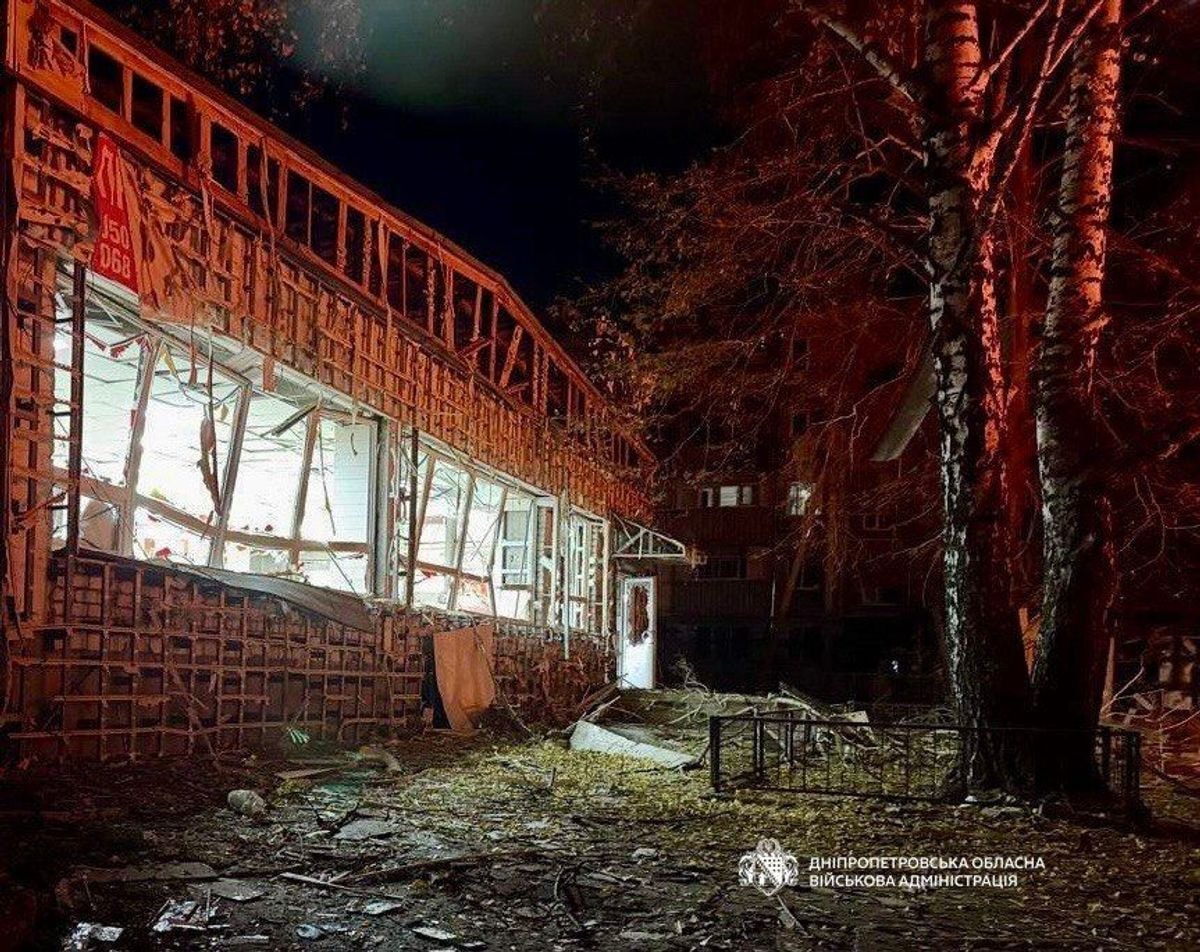
Klitschko later confirmed that a paramedic station in the district was damaged, where six ambulances were also wrecked. Videos posted to social media suggest an Epicenter home improvement store in the Obolon District was destroyed.
The Museum of Ukrainian Diaspora, a branch of the Museum of Kyiv History, was also damaged in the attack, the museum said. Windows were blown out and the building's facade and roof were damaged. No one was injured, but the museum said it would remain closed for several days while repairs were carried out.
"In the Sviatoshynskyi District, a fire broke out inside a restaurant as a result of the enemy attack," the Kyiv City Military Administration added.

A further ballistic missile warning was issued in Kyiv around 12:30 p.m.
The latest attack comes as Russian forces continue to intensify missile and drone campaigns against Kyiv, a city the size of Berlin.
On the city's crucial Southern Bridge, transit infrastructure for the Kyiv Metro was damaged as a result of Russian strikes, Klitschko said.
The Military Administration also said that traffic in the direction from the right bank to the left bank has been restricted on the bridge.
The DSNS later reported that a monastery in the Pecherskyi District was damaged in the Russian attack as well.

The strikes on Kyiv on the night of Oct. 21 came after shows of support for trilateral peace negotiations by both President Volodymyr Zelensky and Russian President Vladimir Putin.
"We hope that Russia—which has stated many times that it is ready for a meeting in one format or another—will follow through," Zelensky said.
As Kyiv was under red alert from the incoming ballistic missiles late on Oct. 21, around the world in Washington, D.C., U.S. President Donald Trump said that a deal to "settle the war" is "maybe now the closest we've been," in a roundtable conference.
Earlier on Oct. 21, a Russian drone attack on Kyiv killed at least two people and injured two others in the morning.
On Oct. 20, Russian drones repeatedly struck Kyiv, damaging a hospital in Solomianskyi District and another medical facility in Holosiivskyi District, injuring 12 people, according to local authorities. That morning, three people were killed, and four people were injured after a Russian drone struck early-morning commuter traffic.
The U.N. Human Rights Office reported in early October that an average of more than 400 civilians were killed or injured every week in Ukraine during the first eight months of 2026, a 55% increase from the same period in 2025.