Lavrov warns Rubio of planned strikes on Kyiv's 'decision-making centers,' urges US embassy evacuation as EU vows to stay
 on Google

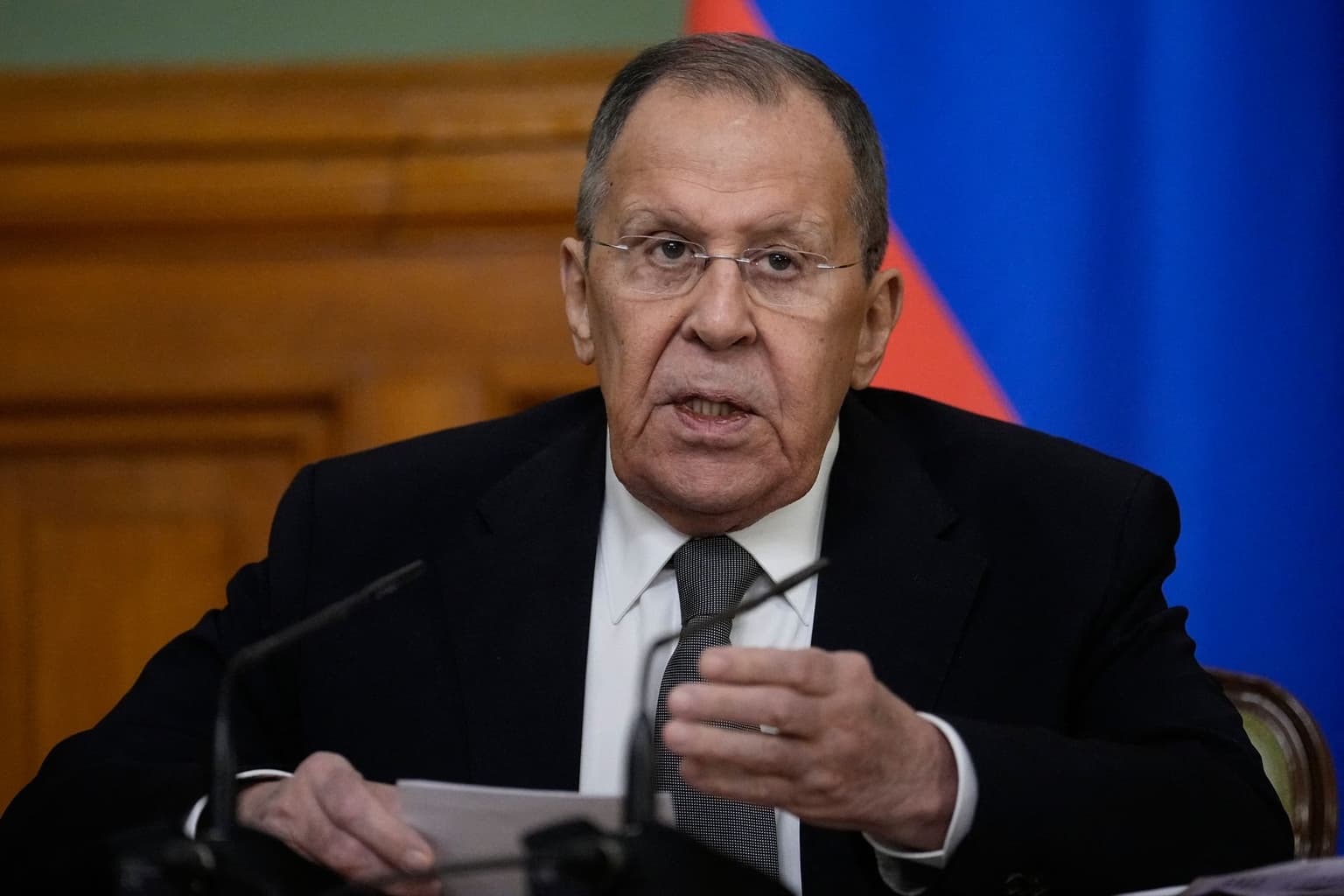
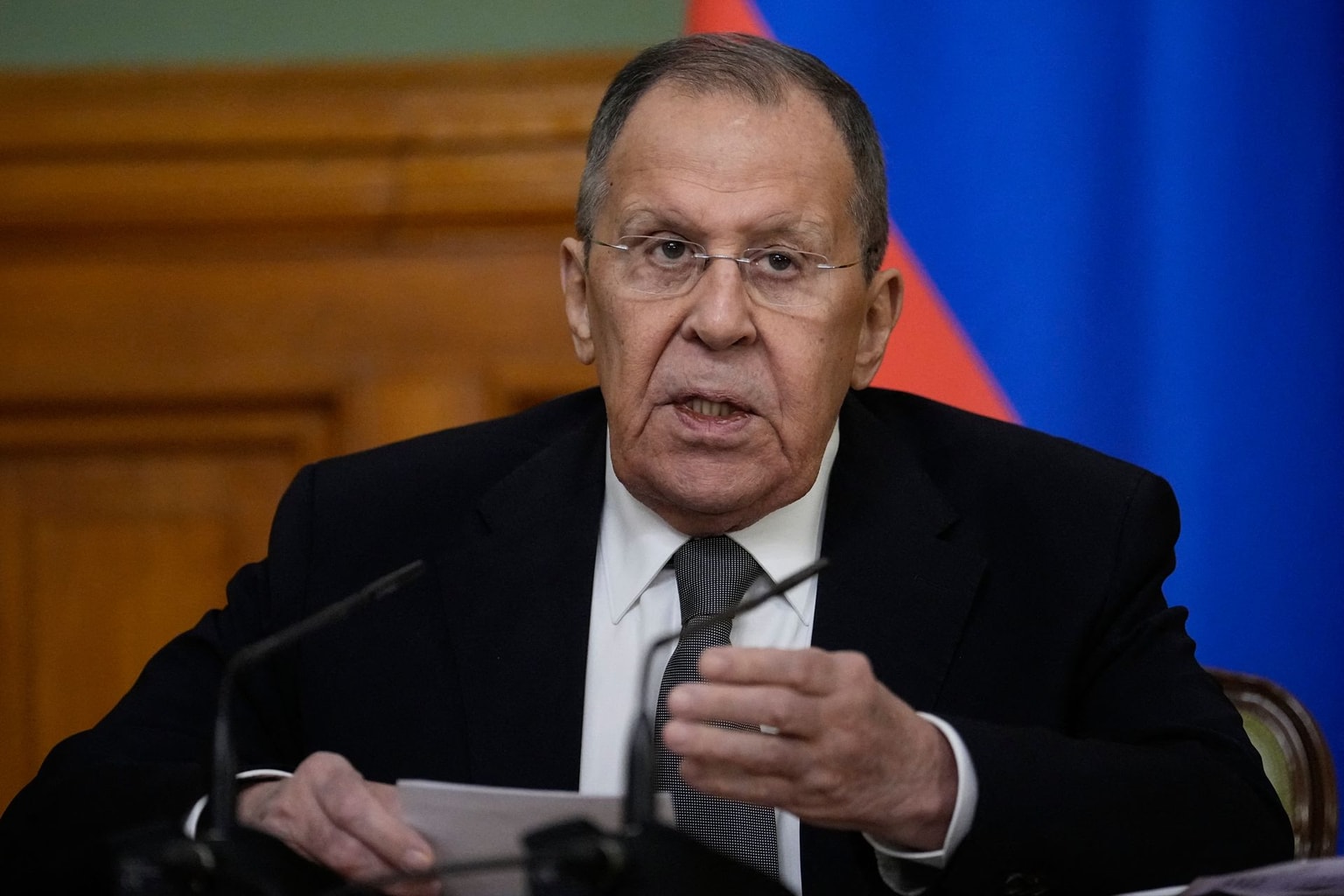
Russian Foreign Minister Sergey Lavrov told U.S. Secretary of State Marco Rubio during a phone call on May 25 that Moscow would begin strikes on Ukrainian "decision-making centers" and urged Washington to evacuate the embassy, according to a Russian Foreign Ministry readout.
The call came after Russia's Foreign Ministry earlier announced plans for a new wave of mass long-range strikes on Kyiv, including attacks targeting military facilities and what Moscow described as "decision-making centers."
Russia framed the planned strikes as retaliation for a Ukrainian attack in occupied Luhansk Oblast. Moscow claimed the strike hit a dormitory in the city of Starobilsk, while Ukraine said it targeted a Russian drone command facility.
According to the Russian readout, Lavrov warned Rubio of "systematic and consistent strikes" on Kyiv and referenced earlier recommendations by Moscow that foreign diplomatic missions evacuate personnel from the Ukrainian capital.
The conversation marked the first publicly known contact between the two officials since May 5, when they reportedly discussed U.S.-brokered peace efforts.
Following the call, Rubio said he relayed Lavrov's message to U.S. President Donald Trump.
I spoke to him yesterday about that and a couple other topics, and obviously Putin had asked him to call me to relay the message directly to the President, which I did," Rubio told reporters.
"Kyiv has been a dangerous place for a number of years. The danger in all these wars, as they continue and go on, is that they always carry the threat of escalation... of spreading into something new."
European leaders and diplomats signaled they would remain in Kyiv despite Moscow's warnings, rejecting what they described as an attempt to intimidate and isolate Ukraine. Katarina Mathernova, the European Union's ambassador to Ukraine, said the bloc "is not going anywhere."
"We stay in Kyiv," she stated on X. "We stay with Ukraine."
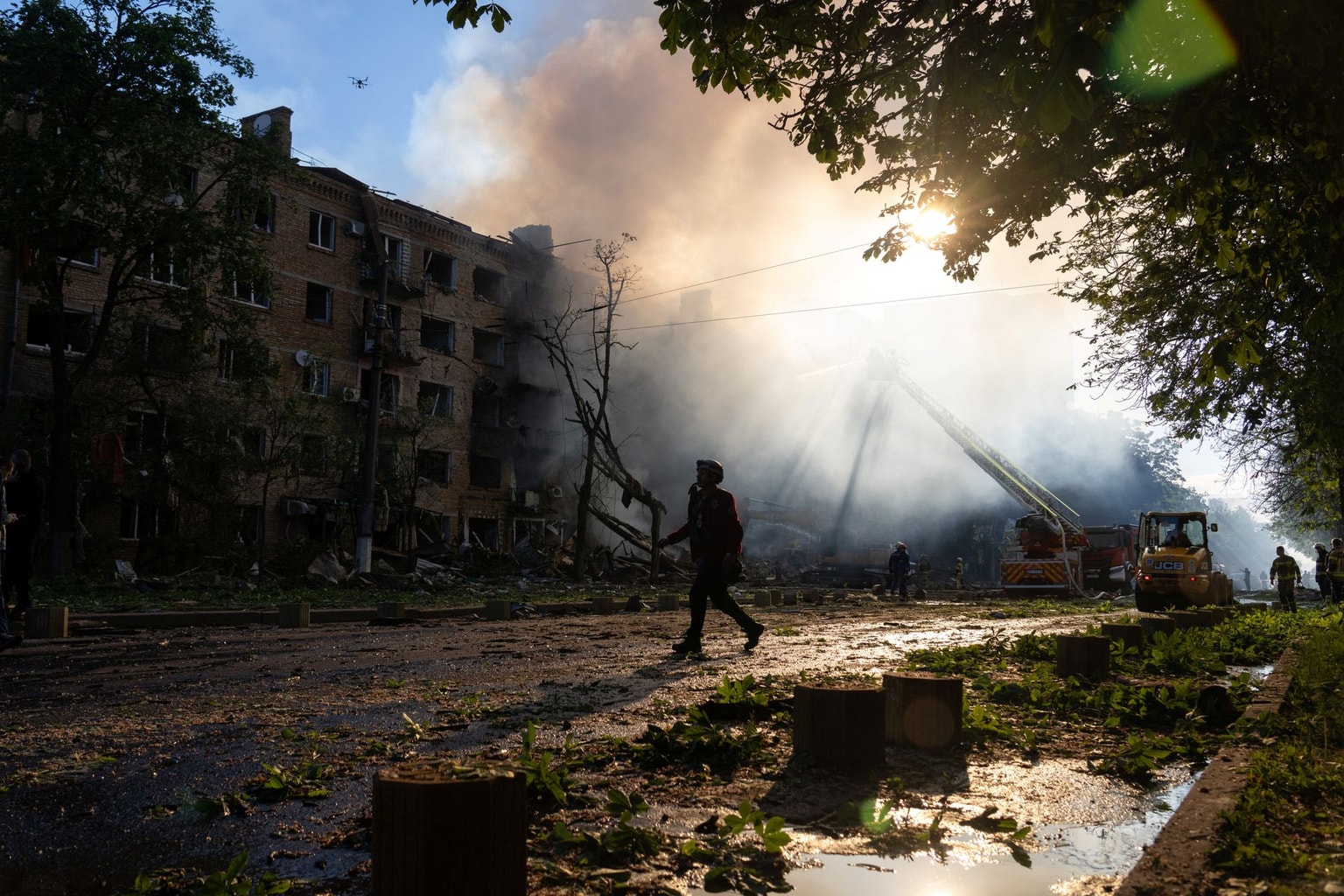
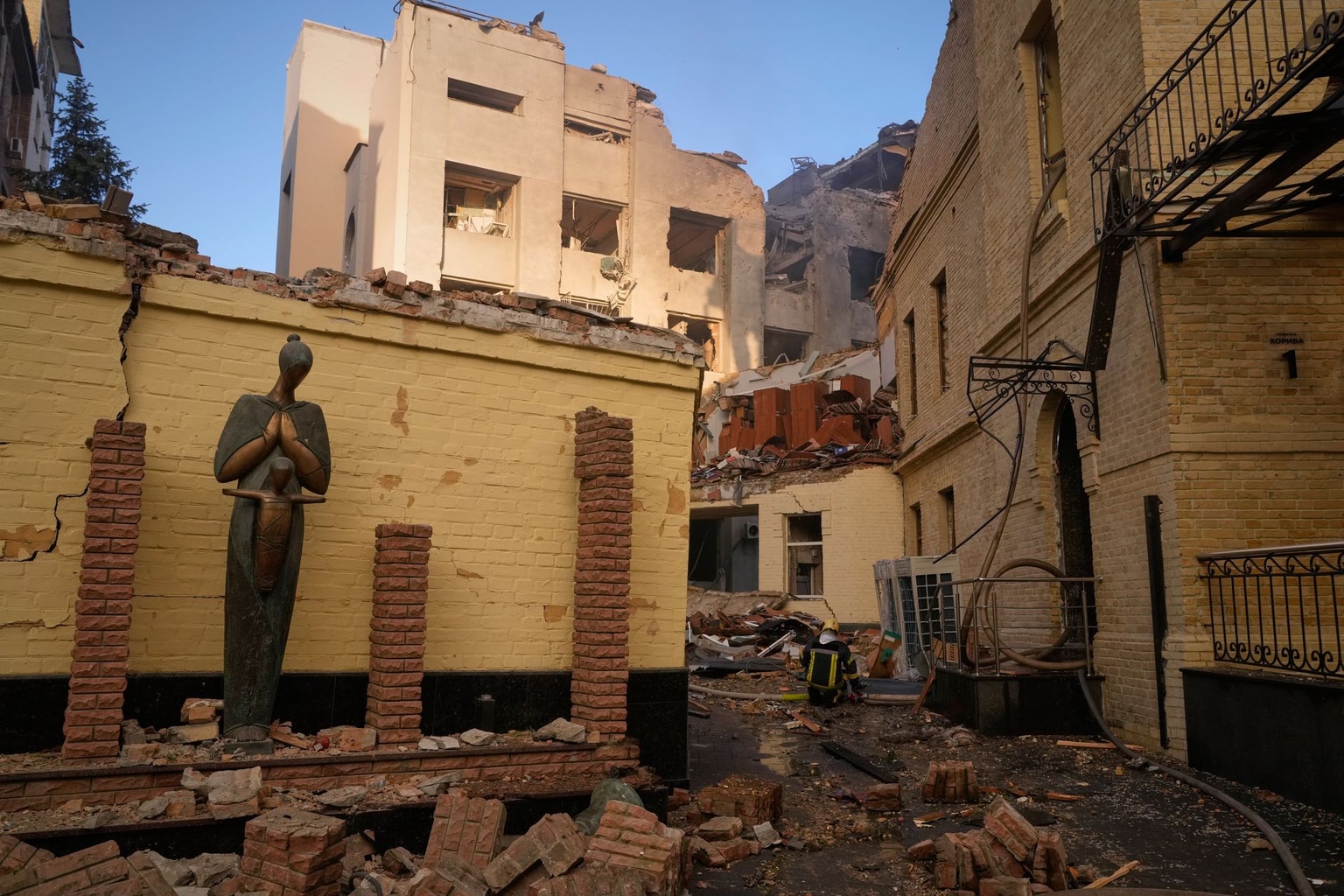
The threat came just a day after one of Russia's largest-ever mass missile and drone attacks on the capital, which killed two and injured over 80, as strikes were recorded in almost every district of the city.
In the Russian Foreign Ministry's statement, foreign citizens, including diplomats, were encouraged to leave the city, while Ukrainian civilians were called upon to stay away from "military and administrative infrastructure of the Zelensky regime."
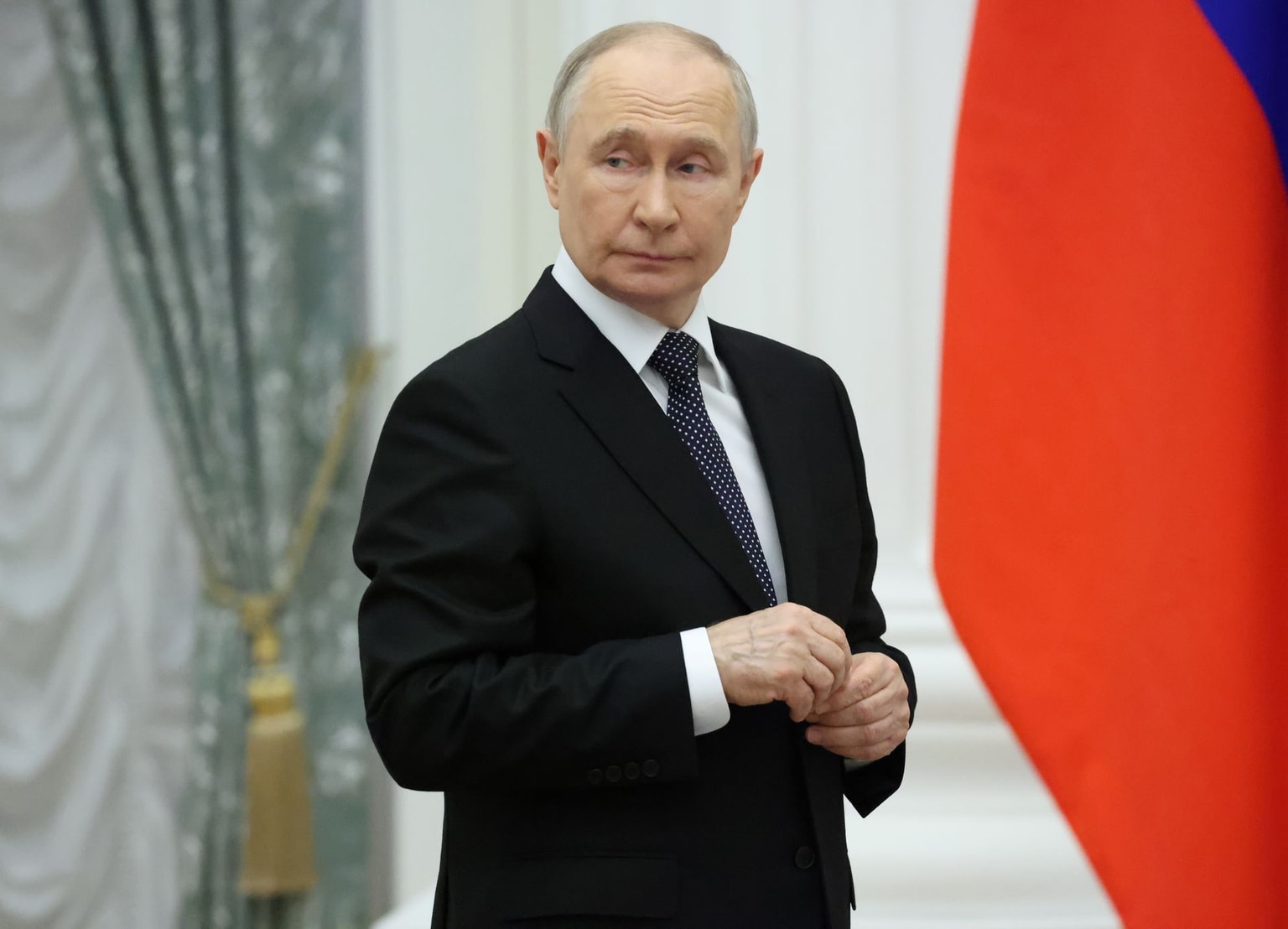
President Volodymyr Zelensky earlier warned that Russia plans to strike the so-called "decision-making centers," including the building of the President's Office in central Kyiv.
Russia frequently uses the narrative of retaliation as justification for major strikes against Ukrainian cities and civilian infrastructure, despite being the aggressor in its war against sovereign Ukraine.
Despite having the means to do so, Russia has so far mostly refrained from striking the most important government buildings in Kyiv.
Ahead of the phone call, Foreign Minister Andrii Sybiha said that Ukraine "should not succumb to this Russian blackmail," urging a "proportional" Western response to the threats, including "additional aid packages and additional sanctions."
"(Russian President Vladimir) Putin must understand that he will achieve nothing through military means. Instead, he needs to save his country, if he still can," Sybiha added, referring to the impacts of Ukrainian long-range strikes on Russia's economy.